

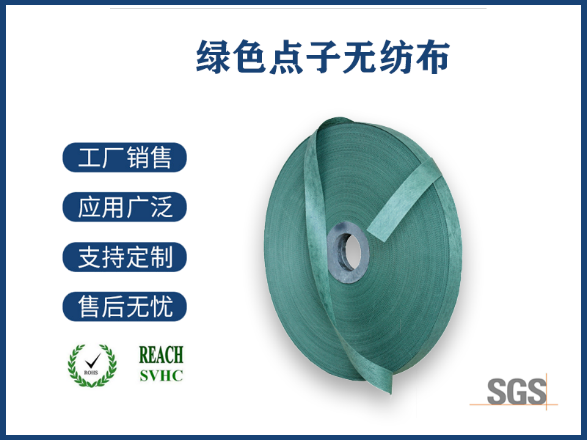
Title: Understanding the English Terminology of Non-Woven Fabric Non-woven fabric, known as “非織造布” in Chinese, has become an integral part of our daily lives, ranging from healthcare to household items and even clothing. Despite its prevalence, understanding the professional English terminology associated with non-woven fabric can be challenging for those not versed in the textile industry. This article aims to demystify these terms and provide a clear understanding of what they represent in the realm of non-woven fabrics. The first term you’re likely to encounter is “Spunlaid”. This type of non-woven fabric is made by laying down random fibers onto a moving screen or belt, which are then bonded together through thermal, chemical, or mechanical means. The result is a fabric that closely mimics the feel of woven textiles but offers the unique benefits of non-woven technology, such as increased strength and durability. Next up is “Meltblown”, another critical term in the non-woven vocabulary. This method involves extruding molten polymer fibers through tiny holes in a spinneret into high-speed air streams. The air currents attenuate the filaments blown from the die to form fine microfibers that are collected on a conveyor surface to form a web, which is subsequently bonded into a fabric. Meltblown non-wovens are renowned for their lightweight nature and excellent filtration capabilities, making them ideal for applications like medical masks and air purifiers. Another important distinction within the world of non-wovens is between “Dry Laid” and “Wet Laid” processes. In Dry Laid technology, fibers are placed directly onto a forming wire in a dry state before being bonded together. This method is versatile and can produce a wide range of non-woven products. Conversely, Wet Laid technology involves dispersing fibers in water to create a slurry, which is then deposited onto a screen where it drains and forms a mat. Once dried and bonded, this process yields non-woven fabrics with exceptional uniformity and strength. The final term we will discuss is “Thermoforming”, which refers to the heating of a non-woven fabric until it reaches a temperature where it becomes pliable and can be shaped or molded into different forms. This technique is commonly used to create complex three-dimensional products, such as automotive interiors, insoles, and packaging materials, offering both functionality and aesthetic appeal. In conclusion, familiarizing oneself with these essential English professional terms related to non-woven fabrics is crucial for anyone involved in the textile industry or simply interested in the materials that shape our modern world. From Spunlaid to Meltblown, and from Dry Laid to Wet Laid, each method brings unique qualities to the table, allowing non-woven fabrics to meet a diverse array of needs while maintaining sustainability and efficiency. Whether you’re a designer, manufacturer, or consumer, knowing these terms will undoubtedly enhance your appreciation for these innovative textiles.

 客服QQ
客服QQ